
Thailand prepares fuel-tank setback rules for data centers
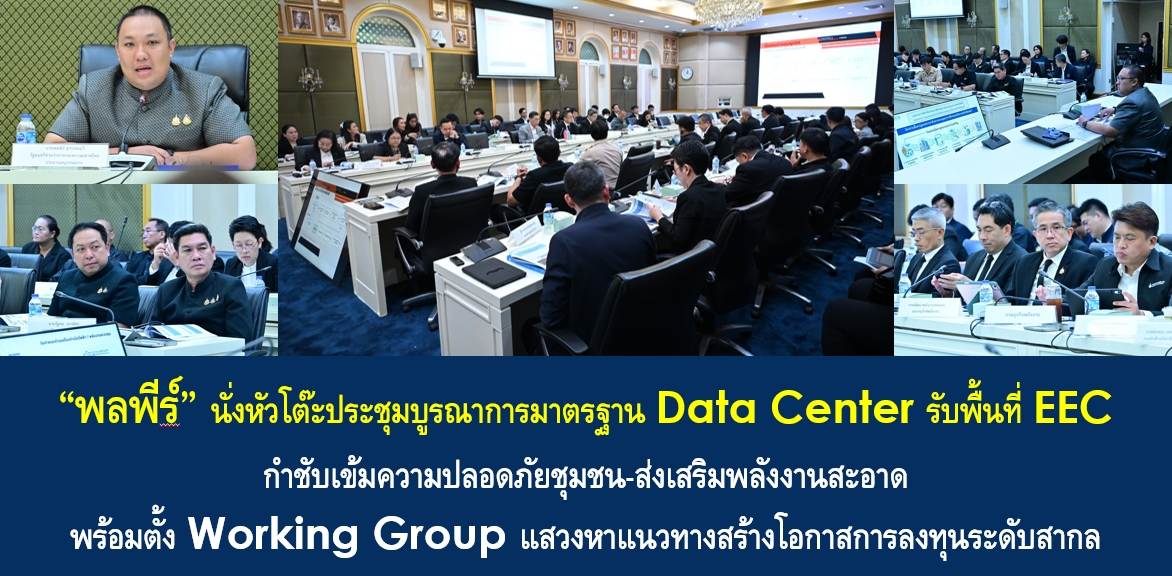
Interior Ministry develops fuel-tank setbacks and planning rules
Thailand’s Interior Ministry is developing data center rules that would measure safety setbacks from the edge of backup fuel tanks rather than from buildings, as it coordinates land-use and construction standards.
At Tuesday’s planning and buildings subcommittee meeting, Deputy Interior Minister Polapee Suwunchwee called for setback and road-right-of-way requirements used in rural and agricultural zones to cover industrial estates. The Department of Public Works and Town & Country Planning is preparing definitions and proposals for further consideration.
Polapee also called for clear transition arrangements for operating projects, sites under construction and existing facilities outside revised planning zones. The work forms part of minimum standards covering energy, buildings and land use, with particular attention to the Eastern Economic Corridor.
He backed data centers generating their own clean electricity to reduce pressure on the grid and ordered a joint working group to develop rules that preserve investment opportunities under discussion with the Board of Investment.
WHA eyes 2027 progress on data center parks
WHA expects its planned data center park development to begin taking shape in 2027, with land prepared both inside and outside the Eastern Economic Corridor, chief executive Jareeporn Jarukornsakul said.
The development model combines land sales with buildings constructed to customers’ requirements, leaving customers to invest in the technical systems. Jareeporn said sites would be spread across locations to avoid concentrating electricity demand, with water and clean-energy infrastructure still to be prepared.
She said subsidiary WHAUP was acquiring additional land in provincial locations near transmission lines in preparation for direct power purchase agreements serving data centers and industrial customers. WHA is still awaiting detailed government rules for the data center industry.
The company also said its 15 Thai industrial estates had escaped the current flooding at the time of the report. It had lowered reservoir levels in Saraburi and pumped water in advance in its eastern estates, while maintaining flood monitoring.
Stay informed on Thailand’s next projects
News on the land, power and policy shaping solar and data center development.